
The allure of gambling: Understanding player motivation
The psychology behind casino gambling is complex and multifaceted, encompassing various factors that drive individuals to engage in betting activities. One of the primary motivations for players is the thrill of risk and the potential for substantial rewards. The excitement that comes from placing a bet, coupled with the anticipation of a win, creates a powerful emotional experience that many find irresistible. This rush is often enhanced by the environment of the casino, which is meticulously designed to stimulate the senses and encourage prolonged play. For instance, some may even compare the thrill of gambling to finding the best crypto casinos where the stakes are higher and the strategies can be more nuanced.
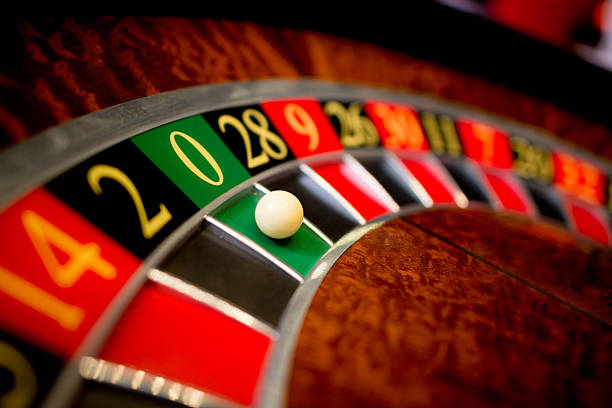
Additionally, social factors play a significant role in motivating people to gamble. For many, visiting a casino is not just about the games; it is also a social event where friends and strangers gather. The communal atmosphere of cheers and celebrations, especially when someone hits a jackpot, can reinforce a player’s inclination to participate in gambling activities. Understanding these intrinsic motivations is crucial for recognizing why strategies, like those that exploit social interactions, can lead to more frequent gambling.
The role of cognitive biases in gambling strategies
Cognitive biases significantly influence gambling behavior and can affect the strategies players choose to adopt. One common bias is the illusion of control, where players believe they can influence the outcome of games that are predominantly based on chance. This belief may lead gamblers to develop strategies that involve complex betting patterns or systems, despite the inherent randomness of the games. Understanding how these biases work can help in forming strategies that can maximize enjoyment while minimizing potential losses.
Another prominent bias is the gambler’s fallacy, which refers to the mistaken belief that past events can influence future outcomes in random games. For example, a player may think that because a particular number has not come up in a while, it is “due” to appear. These misconceptions can lead players to make irrational betting decisions based on flawed reasoning, often resulting in increased losses. Recognizing these cognitive pitfalls is vital for gamblers aiming to refine their strategies based on sound psychological principles.
Risk perception and its impact on gambling behavior
Risk perception greatly influences gambling strategies and outcomes. Many players have a unique view of risk, assessing it based on personal experiences, knowledge of the game, and emotional responses. Those who perceive gambling as a low-risk endeavor may engage more freely, often adopting strategies that involve higher stakes or more aggressive betting. Conversely, players with a heightened sense of risk may stick to conservative approaches, focusing on minimizing losses rather than maximizing wins.
The relationship between risk perception and gambling behavior is also evident in the concept of loss aversion, where individuals are typically more motivated to avoid losses than to achieve gains. This principle can lead to player strategies that prioritize retaining their bankroll over pursuing larger jackpots. Understanding how risk is perceived differently among players aids in the development of tailored gambling strategies that align with individual comfort levels and psychological profiles.
The impact of environment and design on gambling strategy
The physical and psychological environment of a casino plays a crucial role in shaping player strategies. Casinos are designed to maximize engagement and spending, utilizing elements such as lighting, sound, and layout to create an immersive experience. The constant presence of flashing lights and sounds from winning machines can heighten excitement and encourage players to gamble longer. This environment can lead to the adoption of more impulsive or risky strategies as players become enveloped in the atmosphere.
Moreover, the strategic placement of games can influence where players choose to spend their time and money. Players may gravitate towards high-traffic areas where they can observe others winning, which can in turn affect their betting strategies. Recognizing these environmental cues can help gamblers develop more informed strategies that account for the psychological effects of their surroundings, leading to a more mindful approach to gambling.
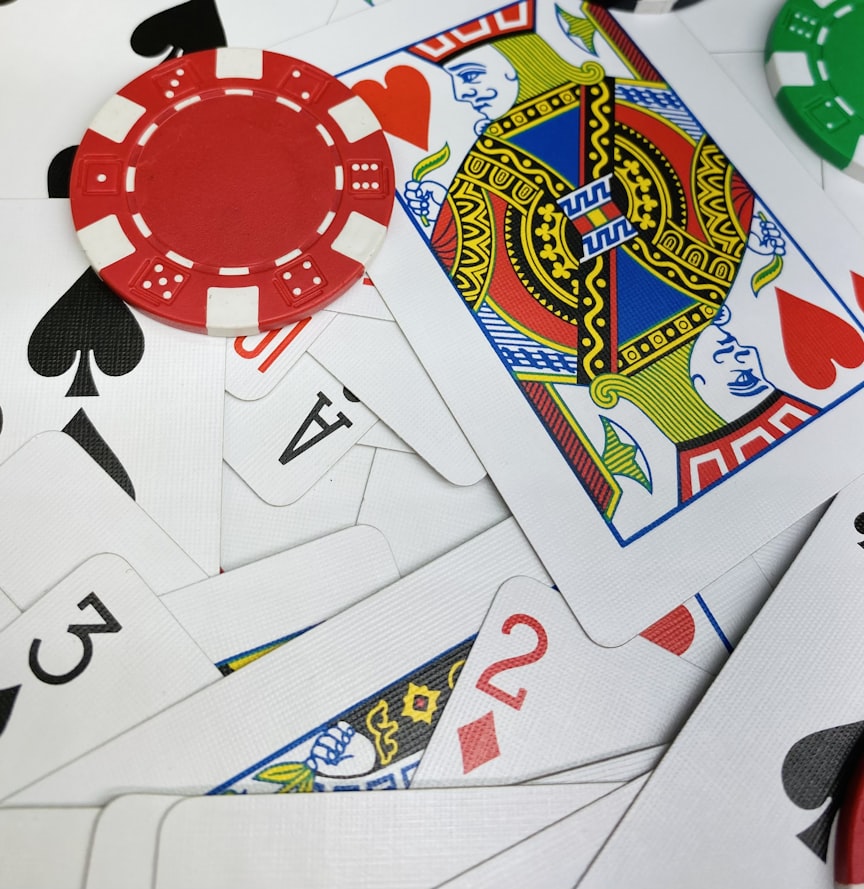
Understanding gambling from a psychological perspective through Ancient-Egypt.org
At Ancient-Egypt.org, we explore not just the history of ancient civilizations but also the timeless aspects of human behavior, such as gambling. The strategies employed by modern gamblers can reflect broader psychological principles evident across cultures and epochs, including those found in the practices of ancient societies. By delving into the psychology of casino gambling, we can draw parallels to historical games of chance that influenced social and economic interactions in ancient Egypt.
Through understanding these psychological underpinnings and historical contexts, visitors to Ancient-Egypt.org can gain insights into the nature of gambling, offering a comprehensive perspective that enriches both historical knowledge and modern gambling practices. Our website serves as a valuable resource for those interested in the connections between psychology, culture, and the age-old pastime of gambling.